
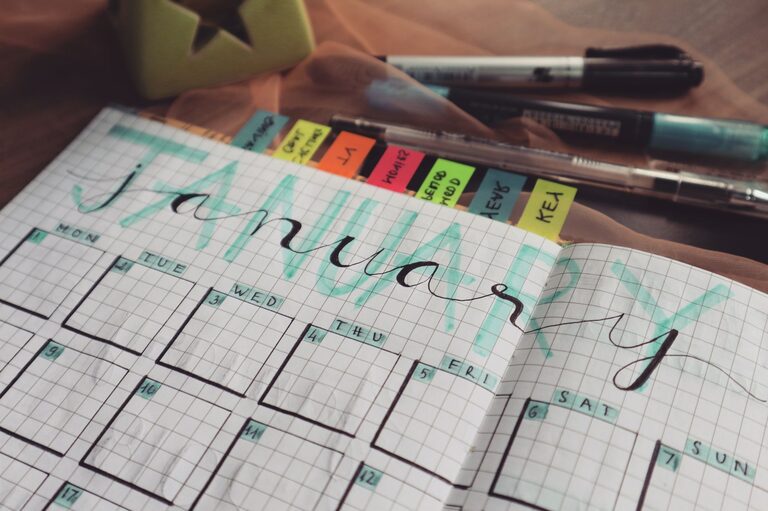
Everyone looks forward to the weekend as a chance to relax and recharge. But sometimes, instead of feeling refreshed, you might find yourself more stressed because of last-minute plans, chores, or trying to fit too much into two days. The good news is that with a little thoughtful preparation, you can plan a no-stress weekend that truly helps you unwind. Here are practical tips and ideas to help you create a calm, enjoyable weekend without the usual pressure.
Why Planning a No-Stress Weekend Matters
Taking time to relax is essential for mental and physical health. A no-stress weekend helps:
– Reduce anxiety and burnout
– Improve sleep and energy levels
– Boost creativity and focus
– Strengthen relationships through quality time
– Increase overall happiness
By intentionally planning, you can avoid common weekend pitfalls like overcommitting, feeling guilty for resting, or facing an overwhelming to-do list.
Step 1: Set Your Intentions
Before the weekend arrives, spend a few minutes thinking about what you really want from your time off. Ask yourself:
– What would make me feel most relaxed?
– Are there any must-do activities or events?
– What activities recharge me best—quiet time, socializing, being outdoors?
– How much downtime do I realistically need?
Write down your intentions to keep you focused on your goals for the weekend. These might include simple things like reading a book, taking a walk, or catching up with friends.
Step 2: Keep Your Schedule Light and Flexible
One of the biggest causes of weekend stress is cramming too much into a short time. To avoid this:
– Prioritize only the most important plans or chores.
– Leave blocks of open time in your schedule for rest or spontaneous activities.
– Communicate with family or friends about your desire for a relaxed weekend so they understand if you say no to some invitations.
A flexible schedule means you won’t feel pressured if plans change or you need extra downtime.
Step 3: Prepare Ahead to Minimize Weekend Work
Many people spend their weekend catching up on housework, errands, or meal prep, which can contribute to stress. Try to:
– Do laundry, grocery shopping, or cleaning on Friday evening after work.
– Prepare simple meals or batch cook during the week.
– Set out what you need for hobbies or activities in advance.
The goal is to minimize tasks that require your attention during your relaxation time.
Step 4: Create a Relaxing Environment
Your surroundings play a big role in how you feel. Here are some ways to make your home more peaceful:
– Declutter common areas so they feel open and calm.
– Use soft lighting, such as lamps or candles, instead of harsh overhead lights.
– Play soothing music or nature sounds.
– Light a favorite scented candle or use essential oils like lavender.
A cozy space invites you to slow down and enjoy the moment.
Step 5: Choose Relaxing Activities That Suit Your Style
Everyone relaxes in different ways. Here are some ideas to consider based on your preferences:
Quiet and Reflective
– Read a novel or magazine
– Journal your thoughts or gratitude
– Meditate or practice gentle yoga
– Take a nap or restorative bath
Active and Outdoors
– Go for a nature walk or hike
– Try a new exercise class or bike ride
– Visit a park, beach, or botanical garden
– Garden or do light outdoor chores
Social and Fun
– Meet a friend for coffee or brunch
– Watch a favorite movie or binge a new show with family
– Cook or bake together
– Play board games or work on a group hobby
The key is to choose activities that feel enjoyable, not like chores or obligations.
Step 6: Limit Screen Time and Work Interruptions
Technology can both help and hinder relaxation. To keep your weekend stress-free:
– Set designated times to check emails or social media, rather than constantly.
– Turn off work notifications and consider setting your phone to “Do Not Disturb.”
– Use apps mindfully, favoring those that promote relaxation, such as meditation or nature sounds.
Reducing digital distractions helps you stay present and recharge more effectively.
Step 7: Practice Mindfulness and Self-Compassion
Stress often comes from worrying about the past or future. Mindfulness encourages you to focus on the present moment without judgment. Try:
– Deep breathing exercises
– A short guided meditation
– Noticing sensations in your body or the environment around you
Also, be kind to yourself if things don’t go exactly as planned. The goal is progress, not perfection.
Step 8: Prepare for Monday, Lightly
Worrying about Monday can ruin your weekend peace. A few light preparations can ease this:
– Write a simple to-do list or set priorities for Monday in advance.
– Lay out clothes or pack lunch Sunday evening.
– Try to go to bed at a reasonable time Sunday night.
Doing these small tasks can make the transition back to the workweek smoother.
—
Final Thoughts
A no-stress weekend isn’t about doing nothing — it’s about doing what genuinely recharges you without feeling rushed or overwhelmed. By setting intentions, simplifying your schedule, and creating a calm environment, you can enjoy your weekends more fully.
Start with small changes this weekend and notice how they improve your relaxation and happiness. Over time, planning no-stress weekends can become a valuable habit that supports your well-being year-round.
Here’s to a calm and joyful weekend ahead!