
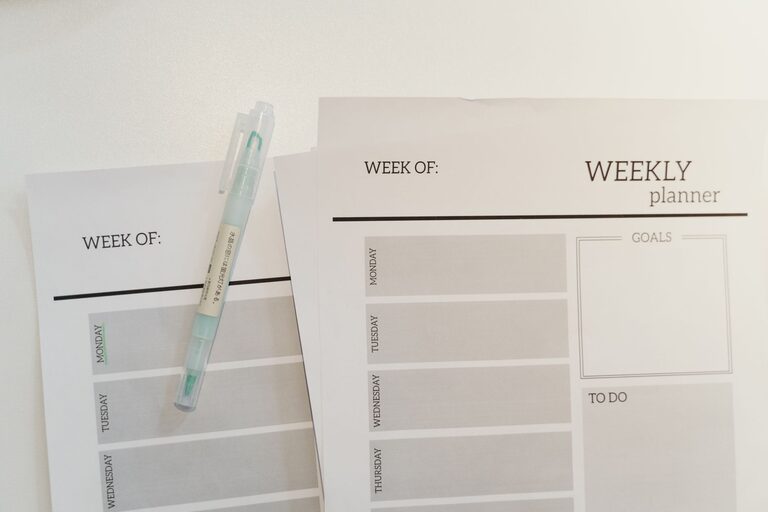
Setting realistic weekly goals is a powerful way to stay focused, motivated, and productive. When goals are clear and achievable, you create momentum that leads to bigger successes over time. However, setting goals that are too ambitious or vague can cause frustration and burnout. This guide will help you understand how to set weekly goals that are both realistic and motivating, so you can make steady progress in your personal and professional life.
Why Set Weekly Goals?
Weekly goals act as a bridge between your long-term ambitions and daily tasks. They help you:
– Break down large projects into manageable steps
– Track progress regularly
– Adjust plans quickly when needed
– Celebrate small wins, boosting motivation
By focusing on weekly goals, you keep your efforts aligned and avoid feeling overwhelmed by everything you want to accomplish.
Steps to Set Realistic Weekly Goals
1. Review Your Long-Term Objectives
Before deciding on your weekly goals, remind yourself of your bigger picture. What are your monthly or yearly targets? Your weekly goals should support these objectives, ensuring every week moves you forward in a meaningful way.
2. Be Specific and Clear
Avoid vague goals like “work more on my project.” Instead, aim for specific targets such as “complete the first draft of the project proposal.” Clear goals make it easier to plan and measure success.
3. Prioritize Your Goals
Not everything can be done at once. Identify 2-4 important goals for the week that will make the biggest difference. Trying to tackle too many tasks can reduce quality and increase stress.
4. Make Goals Measurable
Include a way to measure progress. For example, “write 1,500 words for my blog post” is measurable, unlike “write more.” This clarity helps you track how much you have accomplished.
5. Consider Your Available Time
Be realistic about how many hours you can dedicate. Check your calendar for appointments, meetings, and downtime. Choose goals that fit within your schedule without causing overwhelm.
Tips for Maintaining Realism
Break Big Goals Into Smaller Steps
If a goal feels too large, split it into smaller, achievable tasks. For example, instead of “launch a website,” set goals like “outline website structure” and “design homepage.”
Account for Unexpected Interruptions
Life can be unpredictable. Leave some buffer time each week for emergencies or unplanned tasks. This flexibility prevents frustration when things don’t go as planned.
Focus on Progress, Not Perfection
Goals should inspire action. Don’t expect perfection right away. Even partial completion is progress and something to celebrate.
Use Tools to Track Your Goals
Consider using planners, apps, or simple to-do lists to organize your goals. Reviewing your progress regularly helps keep you accountable and motivated.
Example of a Weekly Goal Plan
| Goal | Specific Task | Time Needed | Progress Check |
|——————————-|——————————-|————-|——————-|
| Improve fitness | Attend 3 yoga classes | 3 hours | Completed 2 classes|
| Work on blog | Write 1,500 words on topic | 4 hours | Finished 1,200 words|
| Organize workspace | Sort papers and discard junk | 1 hour | Completed |
This table shows clearly defined goals with specific tasks and time allocations, making it easier to follow through.
Reviewing and Adjusting Weekly Goals
At the end of each week, take a few minutes to reflect:
– Which goals were met successfully?
– What challenges came up?
– What can you improve for next week?
Use these insights to refine your approach and set even better goals moving forward.
Final Thoughts
Setting realistic weekly goals is about balance—challenging yourself enough to grow but not so much that you feel overwhelmed. By following these steps, you can create a weekly goal system that keeps you focused, productive, and motivated. Remember, consistency is key. Small, steady progress each week leads to great achievements over time. Happy goal setting!